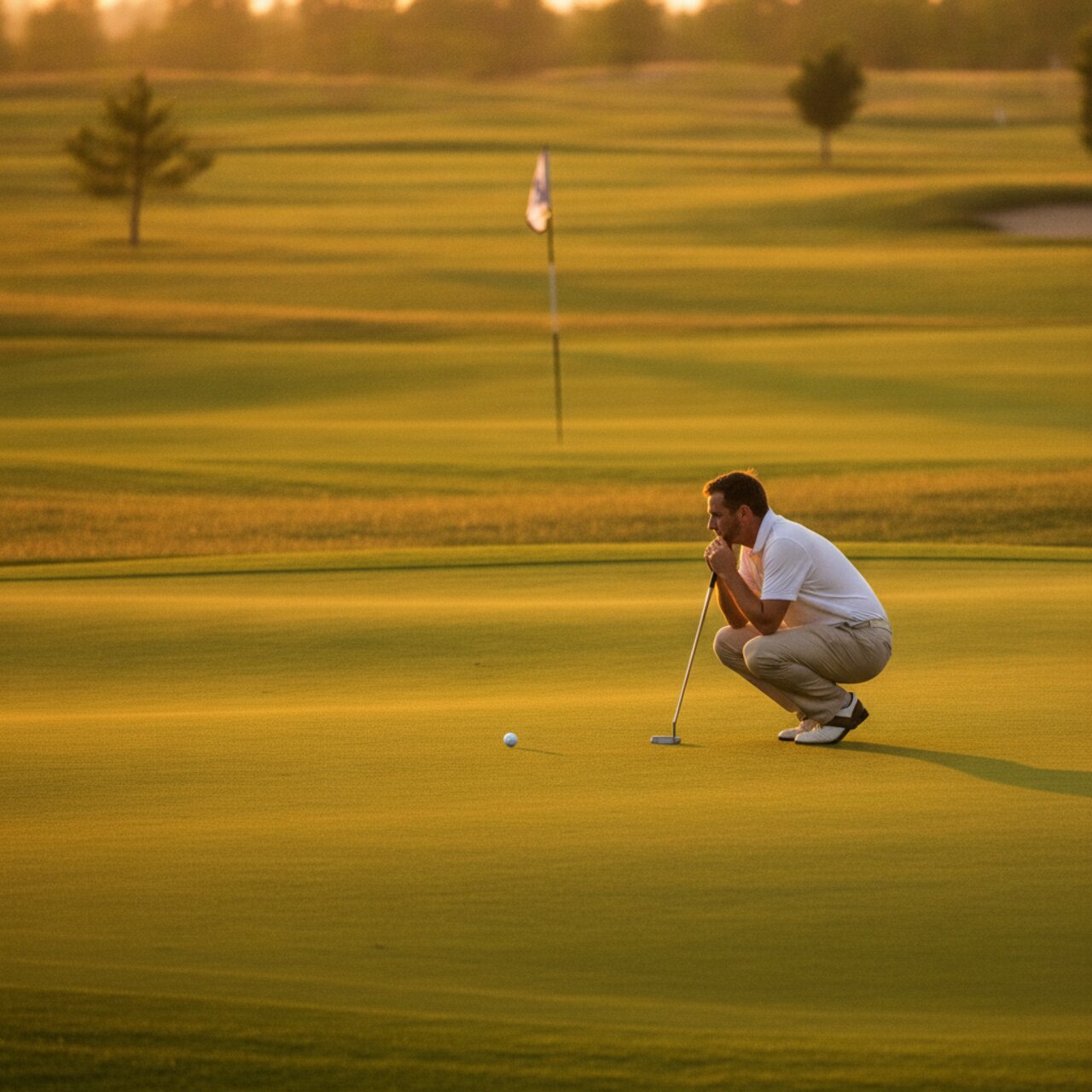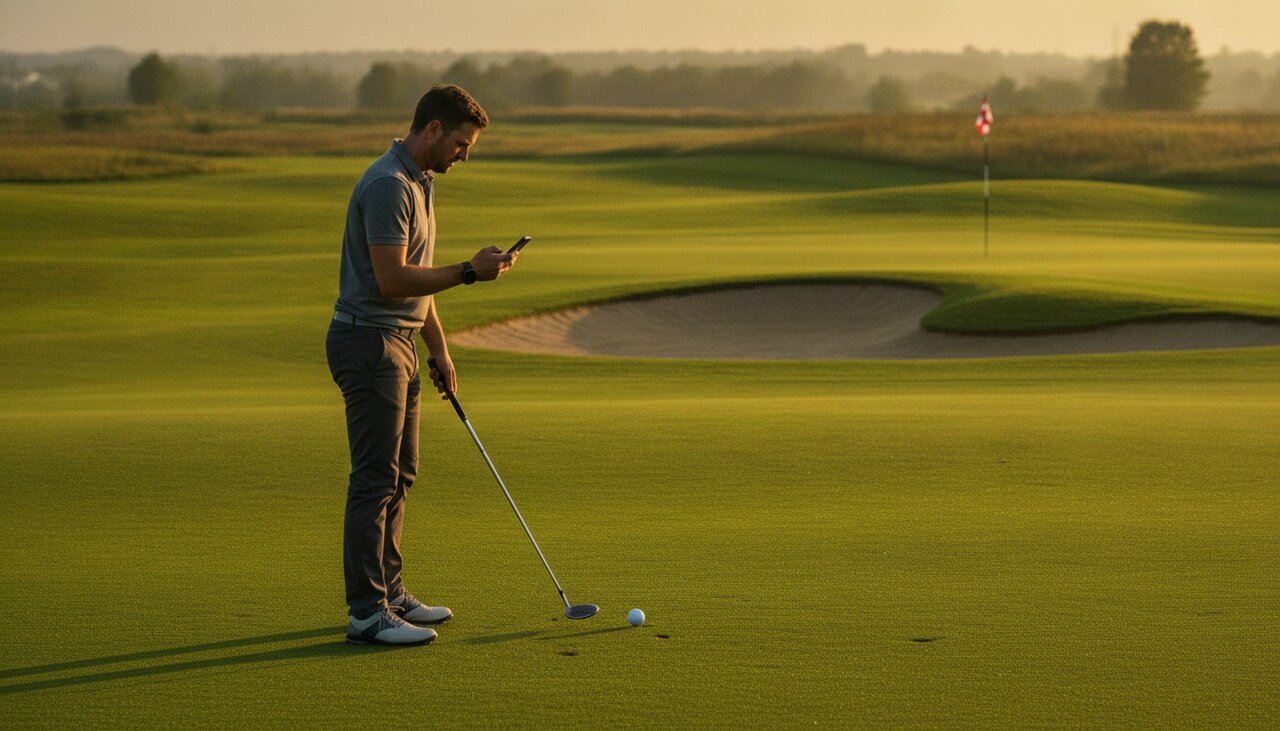
Why 30 Putts Can Be Great or Terrible
Two golfers shoot 30 putts and have nothing in common. One putted out of his mind, the other left strokes on every green. The number alone never tells you which.

Hitting 30 putts in a round of golf feels like a milestone. It is the round number every amateur chases, the figure that sounds like proof you putted well. But 30 putts on its own is one of the emptiest stats you can write on a scorecard, because two players can both card 30 putts and have putting days that look nothing alike.
The number hides everything that matters: how many greens you hit, how far your first putts were, and how close your approach shots finished. Change those inputs and the same 30 putts swings from a career putting round to a quiet disaster you never noticed.
What 30 putts actually counts
Putts per round counts one thing: how many times you used the putter. It says nothing about the length of those putts or the difficulty of the round that produced them. That blind spot is the whole problem.
Consider two players who both finish at 30 putts.
Player A hits 14 greens in regulation. Most of his approach shots stop 25 to 40 feet from the hole, so he faces long first putts all day and two-putts twelve of those fourteen greens. His 30 putts came from a round where the putter had hard work and handled it reasonably.
Player B hits 4 greens. He misses 14 greens, chips most of them to inside six feet, and taps in. His short game saved him over and over, and the putter barely did anything beyond rolling in tap-ins. His 30 putts came from almost no real putting at all.
Same number. Player A putted well across a full slate of genuine putts. Player B’s 30 reflects a great short game and a putter that was rarely tested. If you only look at the total, you would never know.
The three things that change what 30 putts means
Three pieces of context turn the raw number into something you can actually read.
Greens in regulation
Greens hit is the single biggest driver of putts per round, and it works in the opposite direction from what most golfers assume. Hit more greens and your putt count usually goes up, not down.
That sounds backward until you remember what a missed green produces. Miss the green, chip on, and you often have a tap-in or a one-putt. Hit the green from 150 yards and you are frequently 30 feet away facing a real two-putt. A player who hits 16 greens and shoots 32 putts putted far better than a player who hit 6 greens and shoots 28. The 28-putt player simply chipped a lot and let the short game absorb the work that putting never had to do.
First-putt distance
Distance is where putting performance actually lives. A 40-foot first putt that ends in a two-putt is a good result. A 12-foot first putt that ends in a two-putt is a stroke thrown away. Both add the same two putts to your total, so the raw number treats them as identical when they are nearly opposite outcomes.
This is also why the cost of a three-putt depends entirely on where it started. Three-putting from 60 feet happens to good putters. Three-putting from 18 feet is the kind of mistake that quietly wrecks a round, and putts per round buries it inside the same neat total.
Approach proximity
Your putting total is set up before you ever pull the putter. Sharp approach play leaves short birdie looks and easy two-putts. Loose approach play leaves 50-footers and the occasional ugly three-putt. When your putt count climbs, the cause is often the approach shots, not the stroke on the green.
This is why putting and approach stats have to be read together. A round full of 35-foot first putts is usually an approach problem wearing a putting disguise, and chasing it on the practice green fixes nothing.
What strokes gained putting measures instead
The fix is to stop counting putts and start measuring each putt against how hard it was. That is exactly what strokes gained putting does. The framework, built by Columbia professor Mark Broadie, compares every putt to the average number of strokes a benchmark golfer needs from that exact distance.
A scratch golfer two-putts from 40 feet about half the time, so holing out in two from there is roughly neutral. From 8 feet that same golfer makes it more than half the time, so a two-putt from 8 feet loses you a fraction of a stroke. Strokes gained adds those tiny credits and debits across all 18 holes and returns one honest number: did your putter gain or lose strokes versus your benchmark, regardless of how many greens you hit?
That single number is what 30 putts was always trying and failing to tell you. Two golfers at 30 putts can sit at +2.5 and -1.8 strokes gained putting on the same day. Now the disagreement makes sense. You can see the full method in our breakdown of strokes gained putting, and run your own numbers with the strokes gained putting calculator.
How to read your own 30-putt round
Next time you finish at 30 putts, resist the urge to call it good or bad on the spot. Ask three questions first.
- How many greens did you hit? Thirty putts on 15 greens is strong. Thirty putts on 5 greens means your short game did the lifting and your putter was barely involved.
- How long were your first putts? A day of 30-footers that you two-putted is solid lag putting. A day of 10-footers you couldn’t convert is a real problem the total is hiding.
- How many putts were inside 10 feet, and how many fell? This is where strokes are won and lost, and it never shows up in putts per round.
golfity answers all three automatically. When you track a round, it records first-putt distance, separates putting from your short game, and reports your strokes gained putting alongside the raw count, so you see whether 30 putts was a great day or a missed opportunity. If you want the benchmark side of this, our guide to a good putting average by handicap shows where your number should land.
Thirty putts is not a grade. It is a starting point. The context behind it is the actual story, and once you read that, you will stop chasing a round number and start fixing the part of your putting that is genuinely costing you strokes.