What Is Proximity to the Hole in Golf?
It is the single approach stat the PGA Tour tracks obsessively, and the one amateurs almost never record. Here is what proximity to the hole measures, why average distance beats greens hit, and the benchmarks worth chasing.
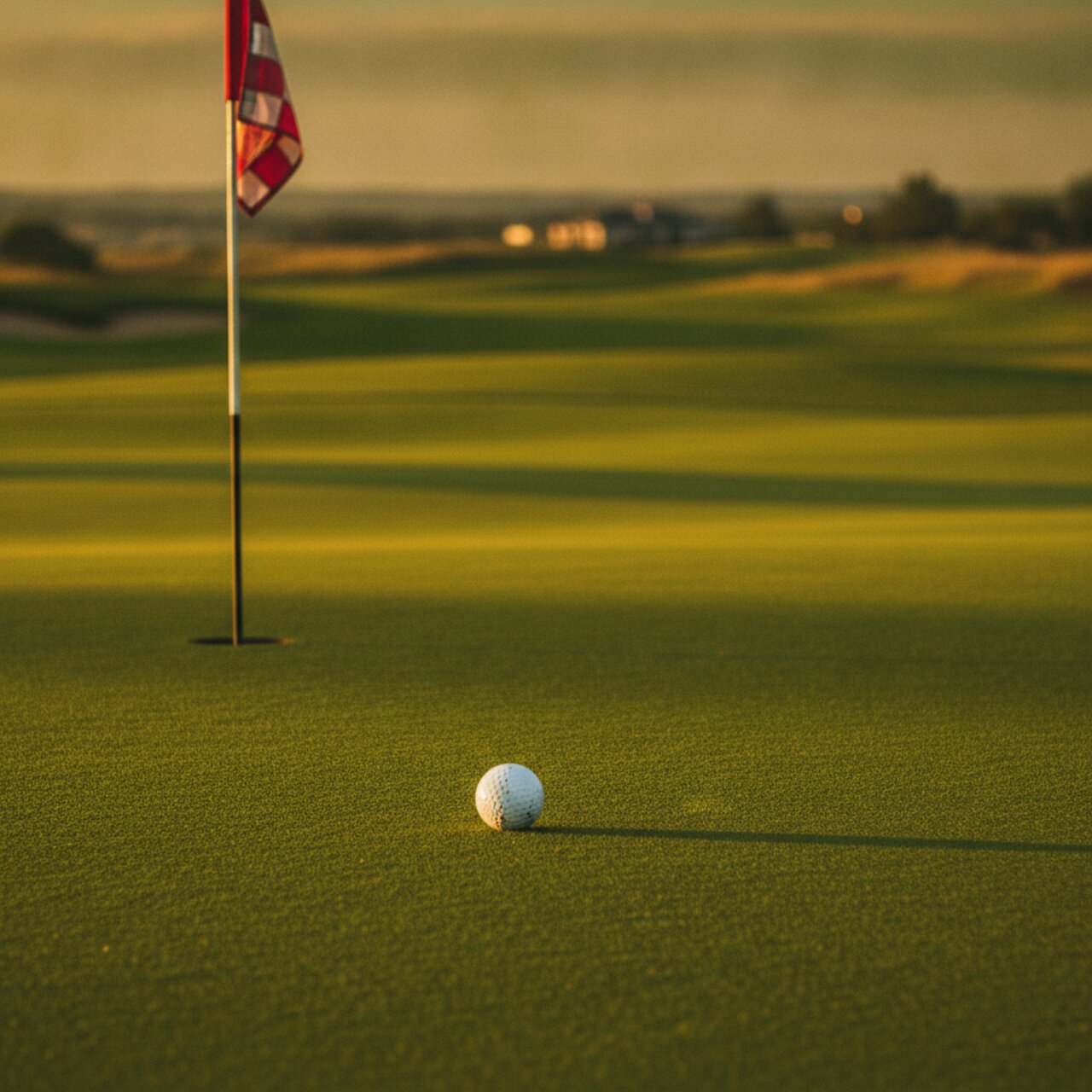
Proximity to the hole is the average distance your approach shots finish from the pin, measured from a set starting distance. Hit ten shots from 150 yards and your proximity is simply how far, on average, those ten balls end up from the cup. The PGA Tour treats it as one of the most telling numbers in the game, yet most amateurs never track it at all.
The reason it matters is blunt: how close you leave your approach shots decides how many putts you face, and putting distance is the biggest driver of one-putts and three-putts. A golfer who averages 25 feet from 150 yards will always score better than one who averages 45 feet, even if both technically hit the green. Greens in regulation counts both of those shots the same. Proximity to the hole does not.
How Proximity to the Hole Is Measured
Proximity is a distance, usually reported in feet, from a fixed range of starting distances. Tour data is sliced finely — proximity from 50-75 yards, 75-100, 100-125, and so on — because a shot from 90 yards should finish much tighter than one from 190.
Two rules keep the number honest:
- It is measured to the hole, not to the middle of the green. A shot that finishes 30 feet from the pin has a proximity of 30 feet regardless of where the flag sits.
- Missed greens still count. If your approach flies the green and settles 40 feet away in the fringe, that 40 feet goes into your average. Proximity is not a “greens only” stat, which is exactly why it is more honest than greens in regulation.
Because it averages every attempt from a distance band, a single stuffed wedge will not rescue an otherwise loose set of approaches. You need consistent contact and distance control to move the number.
Why Proximity Beats Greens in Regulation
Greens in regulation is a yes/no stat. You either hit the putting surface in the expected number of strokes or you did not. It tells you nothing about the quality of the hit.
Consider two approaches from 140 yards. One finishes 12 feet away for a realistic birdie look. The other finishes 55 feet away on the opposite tier, leaving a near-certain two-putt. Both are greens in regulation. Both add one to your GIR count. Yet the first shot might be worth a full half-stroke more than the second.
Proximity to the hole captures that gap, and it is the foundation of strokes gained approach. Mark Broadie’s research showed that approach play accounts for more scoring separation between handicap levels than any other part of the game, and proximity is the raw ingredient that strokes gained converts into a scoring value.
What Good Proximity Numbers Look Like
Proximity grows with distance, so any benchmark has to be tied to a yardage. As a rough guide from the fairway:
- From 100 yards: Tour pros average around 18 feet. A strong single-digit amateur is closer to 24-30 feet. A mid-handicapper often sits at 35-45 feet.
- From 150 yards: Tour average is roughly 28-30 feet. A good amateur lands near 40-50 feet. Higher handicaps frequently miss the green entirely from here.
- From 200 yards: Even Tour pros average over 40 feet, and most amateurs are better off measuring their dispersion than chasing the flag.
Two patterns fall out of those numbers. First, the drop-off from 100 to 200 yards is steep for everyone, which is why laying back to a comfortable wedge number is so often the smarter play. Second, the gap between an amateur and a professional widens as the shots get longer, so your long-iron approaches are where the most strokes leak.
The Rough Changes Everything
Every benchmark above assumes a clean lie in the fairway. From the rough, proximity balloons — a 150-yard shot that averages 40 feet from short grass can easily average 60-plus feet from a flyer lie. This is the statistical case for hitting fairways: not the drive itself, but the approach it sets up. Tracking proximity separately by lie is what turns a vague “I should hit more fairways” into a number you can act on.
How to Track Proximity to the Hole
You cannot improve what you never write down, and proximity is one of the harder stats to capture by hand mid-round. That is where an app earns its place. golfity records the start distance and finish distance of each approach, then reports your average proximity by distance band alongside your strokes gained approach figure.
Once you have a few rounds logged, the report answers questions a scorecard never could:
- Are your wedges actually sharp, or do they just feel sharp because you make the odd birdie?
- Which distance band leaks the most strokes — the 75-100 yard wedges, or the 175-200 yard long irons?
- How much does a missed fairway cost your approach compared to a clean lie?
Answer those three and your practice sessions stop being guesswork. If your proximity from 150 yards sits at 50 feet while your wedges from 90 are tight, you know exactly which club and which distance deserves the range time.
The Bottom Line
Proximity to the hole turns “I hit the green” into “I hit it to 15 feet,” and that distinction is where scoring lives. It rewards distance control over raw contact, it exposes what the rough actually costs you, and it feeds the strokes gained numbers that track handicap better than any traditional stat. Start recording it by distance. Watch where the feet pile up. Then aim your next range session at the band that is bleeding the most strokes.